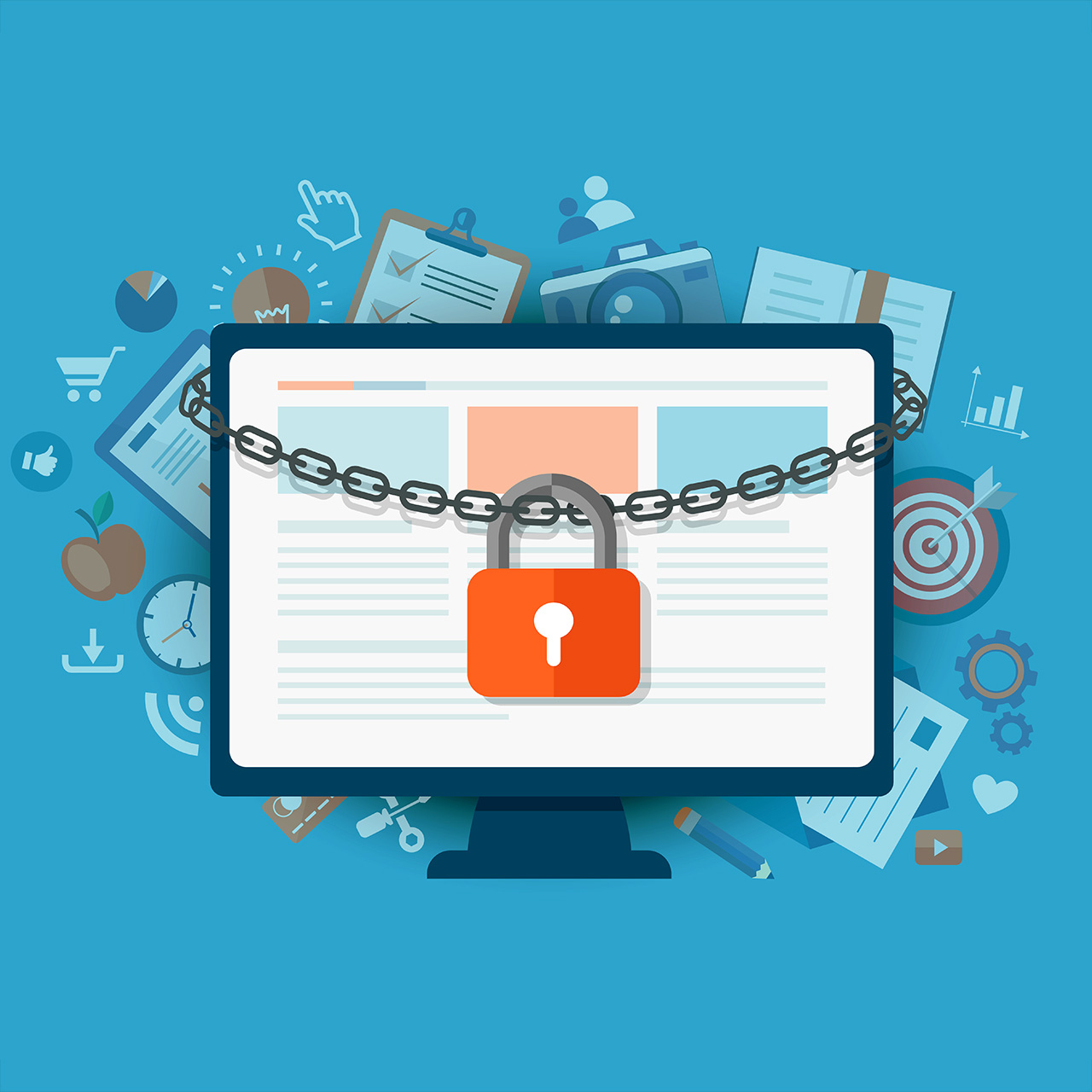
Understanding Privacy in the Digital Age: Why It Matters More Than Ever
In today's hyper-connected world, understanding privacy in the digital age has become crucial. With every click, like, and share, individuals are inadvertently leaving behind a digital footprint that can be exploited by corporations, hackers, and even governments. As technology evolves, the methods of data collection and surveillance are becoming increasingly sophisticated, making it essential for users to take proactive measures to protect their personal information. The implications of ignoring digital privacy can range from identity theft to unwarranted surveillance, emphasizing the need for heightened awareness and action.
Furthermore, why privacy matters more than ever extends beyond personal safety; it touches on the very essence of freedom and autonomy in our society. As digital platforms expand their reach, the power dynamics shift, often placing control in the hands of a few tech giants. This raises important questions about who owns our data and how it is being used. By advocating for stronger privacy protections and understanding the risks involved in our digital interactions, individuals can reclaim their agency and ensure that their online experiences respect their fundamental rights to confidentiality and security.
Counter-Strike is a highly popular tactical first-person shooter game that emphasizes teamwork, strategy, and skill. Players choose to join either the terrorist or counter-terrorist team, engaging in various objective-based game modes. Alongside its competitive gameplay, many gamers seek out essential gear to enhance their experience; for instance, check out the Top 10 Accessories for Coding with MacBook to optimize your gaming setup. With a strong esports scene, Counter-Strike continues to evolve and attract millions of players worldwide.
How to Safeguard Your Privacy: Tips for Building Trust Online
In today's digital age, safeguarding your privacy is paramount to building trust online. Begin by managing your digital footprint; this involves regularly reviewing the privacy settings on your social media accounts and limiting the amount of personal information you share. Using strong, unique passwords for different accounts is another essential step. Consider employing a password manager to generate and store these passwords securely. Additionally, activating two-factor authentication can significantly enhance your accounts' security.
Another effective method to protect your privacy is to be cautious with public Wi-Fi. Avoid accessing sensitive information, such as banking details, when connected to unsecured networks. Instead, utilize a Virtual Private Network (VPN) to encrypt your internet connection, ensuring that your online activities remain private. Furthermore, educate yourself about the importance of data encryption for messages and files, as this adds an extra layer of security that helps maintain your trustworthiness in the online environment.
Is Your Data Really Safe? Common Privacy Concerns and Solutions
In today's digital age, many consumers wonder, is your data really safe? With high-profile data breaches making headlines regularly, it's no surprise that privacy concerns are at an all-time high. Common issues include inadequate security measures, phishing scams, and unintentional data sharing with third parties. Businesses collect vast amounts of personal information, and if proper safeguards aren't in place, users' sensitive data can fall into the wrong hands. Awareness of these risks is the first step toward protecting your information.
Fortunately, there are effective solutions to commonly faced privacy challenges. Implementing strong passwords and using two-factor authentication can significantly reduce the risk of unauthorized access. Regularly updating software and being cautious about the information shared on social media are also essential practices for maintaining data privacy. Furthermore, utilizing reputable security tools can help identify vulnerabilities in systems, making it easier to safeguard personal data. By taking proactive measures, individuals can enhance their online security and confidently navigate the digital landscape.