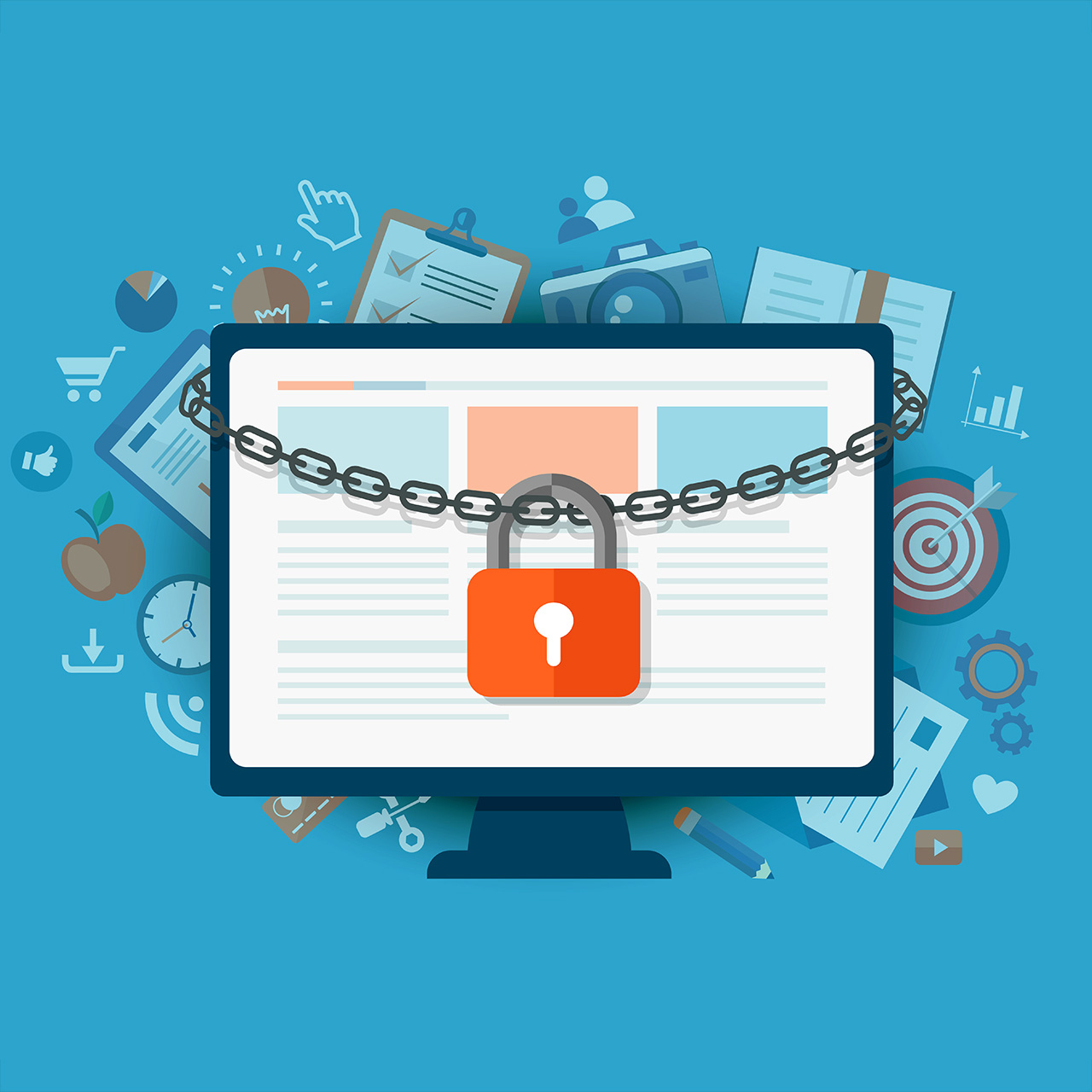
Understanding Data Privacy: Why It’s the New Currency
Data privacy has emerged as a fundamental pillar in the digital age, often being referred to as the new currency. As businesses and consumers increasingly rely on data to make informed decisions, the concern for data privacy has heightened. Every time we engage with digital platforms, we generate a wealth of personal information, from our shopping habits to our health records. This information, if not properly protected, can lead to significant security breaches, identity theft, and loss of consumer trust. As such, understanding data privacy is not just about compliance; it's about safeguarding our future in an interconnected world.
In recent years, we have seen a shift in regulatory landscapes, with laws like the General Data Protection Regulation (GDPR) and the California Consumer Privacy Act (CCPA) coming into effect to enhance data privacy. Businesses are now faced with the challenge of balancing innovation while ensuring robust protection of their customers' data. The implications of failing to prioritize data privacy can be dire, including hefty fines and irreparable damage to a brand's reputation. Companies that adopt strong data privacy practices not only comply with regulatory requirements but also gain a competitive advantage, as consumers increasingly prefer organizations that prioritize their privacy.
Counter-Strike is a popular tactical first-person shooter game that has gained a massive following since its release. Players can choose to play as terrorists or counter-terrorists, engaging in intense matches where strategy and teamwork are essential for victory. For those looking to enhance their gaming experience, exploring Top 10 MacBook Accessories for Office might provide useful insights. With its competitive nature and regular updates, Counter-Strike remains a staple in the eSports arena.
How to Protect Your Privacy in the Digital Age
In today's hyperconnected world, protecting your privacy has become more crucial than ever. With organizations constantly collecting data, it is essential to understand how to secure your personal information. Start by regularly reviewing your privacy settings on social media platforms, ensuring that you only share what is necessary. Additionally, consider using strong passwords and multifactor authentication to add an extra layer of security to your online accounts.
Another effective way to enhance your privacy is through the use of VPNs (Virtual Private Networks) which encrypt your internet connection and mask your IP address. This makes it more difficult for hackers and snoopers to track your online activity. Furthermore, be cautious about the applications you install and the websites you visit. Always check for user reviews and ensure they meet your privacy standards before engaging with them.
Is Your Personal Data Worth More Than You Think?
In today's digital age, the value of personal data has reached unprecedented heights. Companies across various sectors are willing to pay top dollar for insights that can help them tailor their products and services. This has raised important questions about data privacy and the extent to which individuals are aware of the worth of their information. According to a recent survey, nearly 70% of respondents acknowledged that they have shared personal information online, yet very few understood the implications and potential financial value of their data. As consumers, it is crucial to recognize that personal data can be a commodity, and understanding its value is the first step in ensuring its protection.
The ability to monetize personal data extends beyond just corporations. Individuals can also leverage their information for various benefits, such as personalized experiences or opportunities for compensation in exchange for sharing their data. For instance, some platforms now offer users financial rewards for participating in surveys or by sharing their browsing habits. As this trend grows, it becomes increasingly vital for individuals to both educate themselves on how their data is being used and explore options for maximizing their data's value. After all, your personal data might be worth much more than you think!