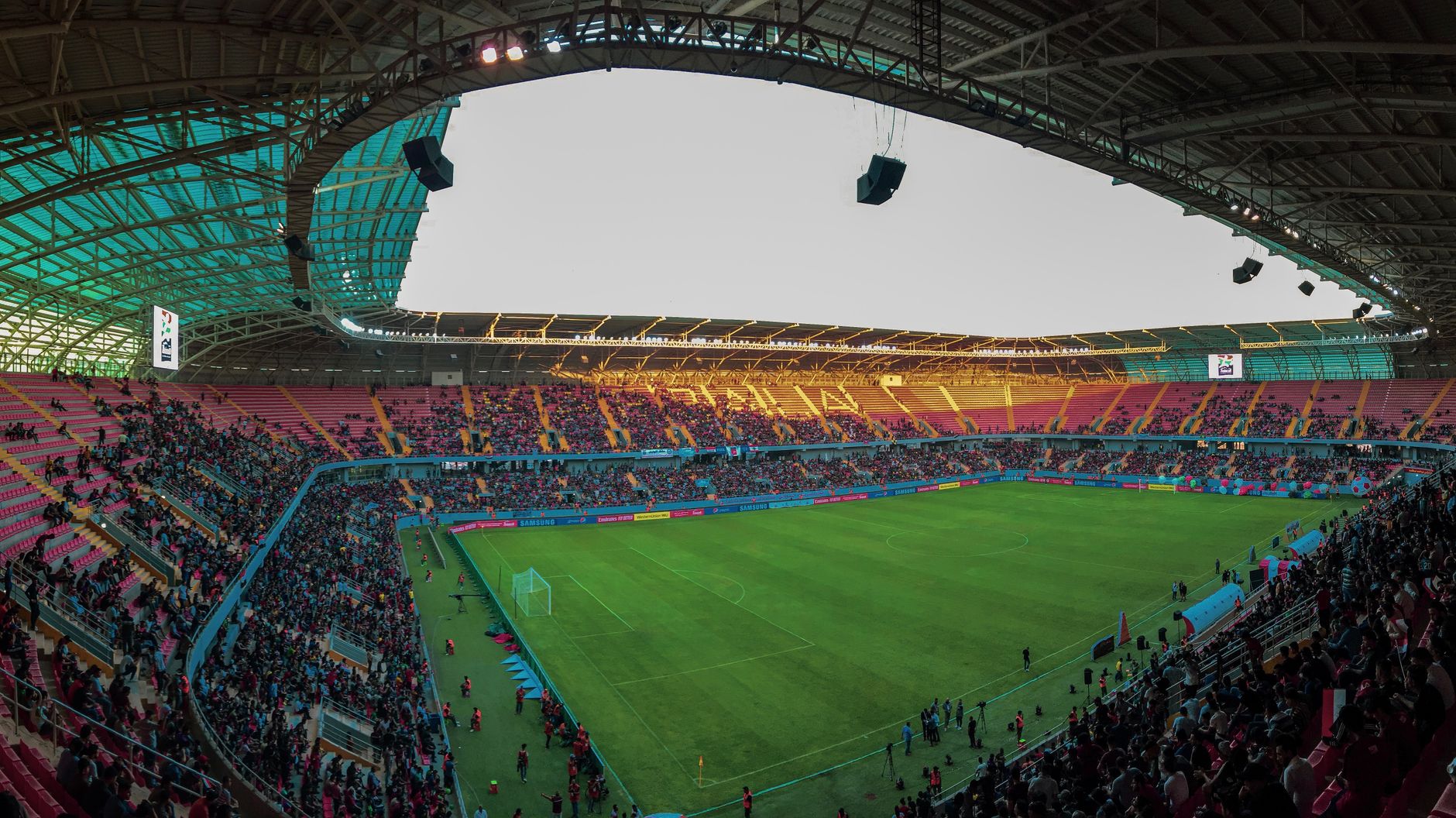
From Desert Dream to Architectural Marvel: The Stadium's Enduring Design & Future Sustainability
The journey from a desert dream to an architectural marvel for this stadium is a testament to innovative design and meticulous planning. Inspired by the undulating dunes and rich cultural heritage of the region, the stadium's exterior façade isn't just aesthetically pleasing; it's a dynamic skin that responds to its environment. Engineers and architects collaborated to integrate passive cooling strategies and advanced shading systems, ensuring spectator comfort even in extreme temperatures. The design philosophy extended beyond mere functionality, aiming to create a landmark that resonates with both local traditions and global aspirations. This fusion of ancient wisdom and cutting-edge technology positions the stadium as a beacon of modern architectural achievement, demonstrating how structures can be both visually stunning and highly efficient.
Looking towards the future, the stadium's commitment to sustainability is woven into its very fabric, promising longevity and a reduced environmental footprint. From its inception, the project prioritized local sourcing of materials and employed construction techniques that minimized waste. Future plans include the incorporation of renewable energy sources, such as expansive solar panel arrays, to power a substantial portion of the stadium's operations. Furthermore, sophisticated water recycling and greywater systems are being implemented to conserve precious resources. The vision extends to creating a vibrant, integrated ecosystem around the stadium, encouraging public transport and green spaces. This forward-thinking approach ensures the stadium remains not just a venue for events, but a living example of sustainable development for generations to come.
Lusail Stadium, a magnificent venue in Qatar, stands as a symbol of modern architecture and sporting prowess. It notably hosted the final of the 2022 FIFA World Cup, where its grand design and state-of-the-art facilities were showcased to a global audience. The Lusail Stadium has a seating capacity of over 80,000, making it the largest stadium in Qatar and a true centerpiece of the city of Lusail.
Beyond the 90 Minutes: Fan Experience, Local Impact, and Reliving the World Cup Magic
The World Cup transcends the pitch, weaving itself into the very fabric of communities long after the final whistle. The fan experience, for instance, isn't confined to stadium seats. It blossoms in bustling fan zones, packed pubs, and living rooms where every goal is met with a collective roar. Consider the economic ripple effect: local businesses, from humble food stalls to souvenir shops, experience a significant boost. Hotels fill, transportation services hum, and the very atmosphere of a host city transforms into a vibrant carnival. This isn't just about revenue; it's about a shared cultural event that fosters a sense of unity and excitement, creating lasting memories for residents and visitors alike. The tournament acts as a catalyst for local pride, inspiring future generations and leaving a tangible legacy far beyond the sporting spectacle itself.
Reliving the World Cup magic isn't solely about rewatching iconic matches; it's about the enduring impact on local infrastructure and community spirit. Host nations often invest heavily in stadium upgrades, public transport improvements, and tourism initiatives that continue to benefit citizens long after the tournament concludes. Think of the increased interest in football at the grassroots level, inspiring children to pick up a ball and dream. The World Cup also leaves a powerful cultural imprint, with stories and legends passed down through generations. From legendary goals to unexpected upsets, these narratives become part of a nation's collective memory. The shared experience of hope, despair, and ultimately, joy, forges bonds that strengthen communities and highlight the power of sport to unite people from diverse backgrounds. It's a testament to how global events can leave a profound and positive local legacy.