Understanding Crypto for World Cup Bets: A Quick Explainer & Your First Steps
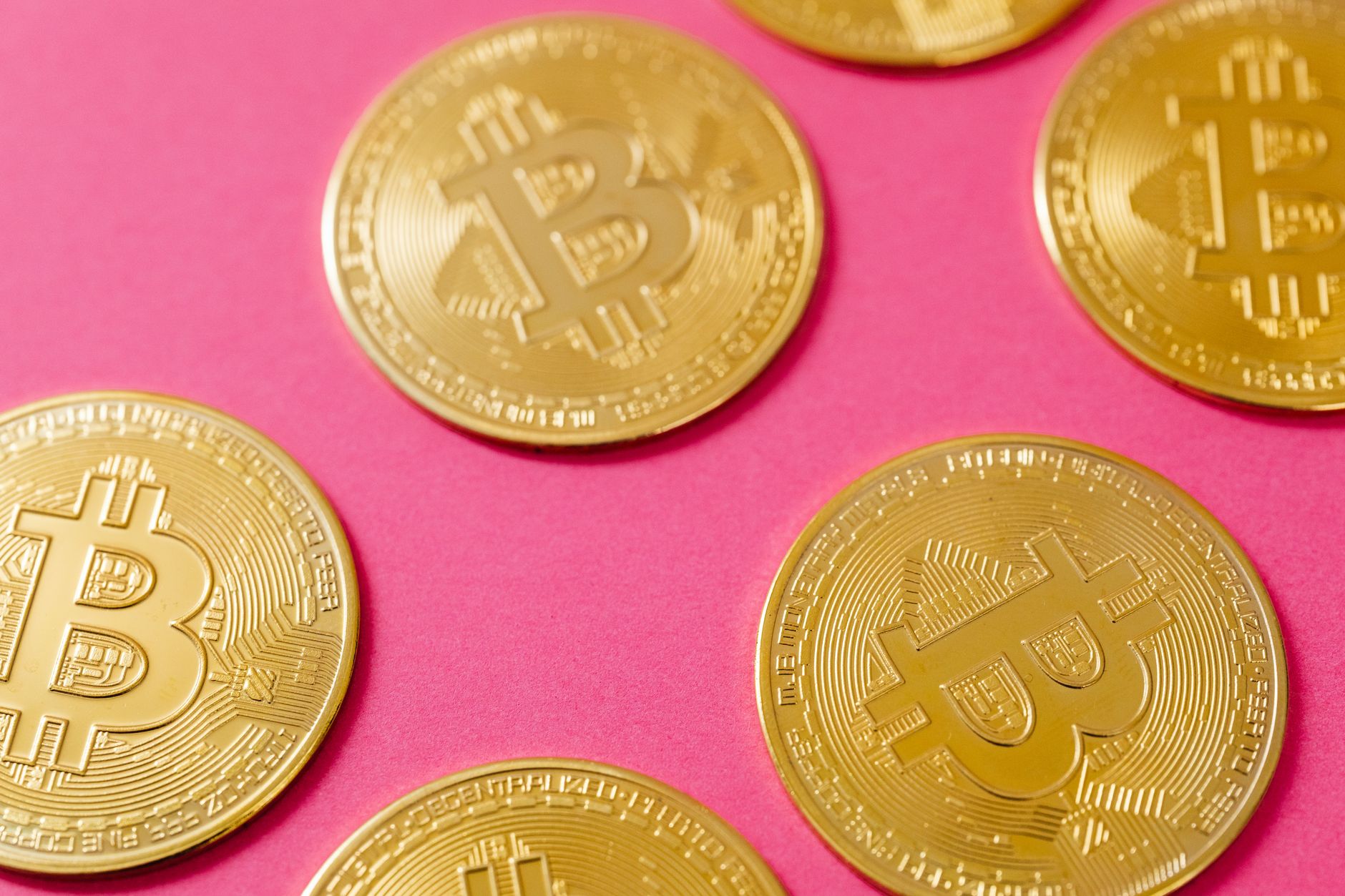
With the World Cup approaching, you might be hearing a lot about crypto, especially in the context of online betting. But what exactly is it, and why is it becoming so relevant for sports fans? In simple terms, cryptocurrency is a digital or virtual currency that is secured by cryptography, making it nearly impossible to counterfeit or double-spend. Unlike traditional money issued by governments, crypto operates on a decentralized network called a blockchain. This means no single entity controls it, offering a level of transparency and security that's appealing for transactions, including those on betting platforms. Understanding this fundamental concept is your first step towards leveraging crypto for your World Cup wagers, offering potentially faster transactions and lower fees on many international betting sites.
Ready to take your first steps into the world of crypto for World Cup betting? It's simpler than you might think. Your journey typically begins with setting up a digital wallet, which is an application that stores your cryptocurrency. Think of it like a bank account for your digital money. Once you have a wallet, you'll need to acquire some cryptocurrency, usually Bitcoin (BTC) or Ethereum (ETH), as these are widely accepted. This can be done through a crypto exchange, which is an online platform where you can buy and sell digital currencies using traditional money. Here's a quick roadmap:
- Choose a reputable wallet: (e.g., MetaMask, Trust Wallet)
- Select a reliable exchange: (e.g., Coinbase, Binance)
- Purchase your desired crypto: Start with a small amount to get comfortable.
These initial steps will equip you with the necessary tools to explore crypto betting options for the upcoming World Cup, potentially unlocking new opportunities and experiences.
As the World Cup approaches, the excitement for betting on this global spectacle intensifies, especially within the rapidly growing sphere of crypto sportsbooks. Punters are increasingly turning to a world cup crypto sportsbook for its myriad benefits, including enhanced privacy, faster transactions, and often more competitive odds compared to traditional bookmakers. This innovative approach to sports betting allows fans to engage with the tournament in a decentralized and secure manner, leveraging various cryptocurrencies for their wagers.
World Cup Crypto Betting in Action: Strategies, Cashouts & Top FAQs
The recent World Cup provided a fascinating real-world laboratory for crypto betting, moving beyond theoretical discussions into practical application. Savvy bettors leveraged platforms offering a decentralized approach, often encountering lower fees and faster transaction times compared to traditional bookmakers. Strategies employed varied widely, from simply betting on match outcomes using stablecoins like USDT or BUSD, to more complex approaches involving arbitrage across different crypto-friendly sportsbooks. Many embraced the volatility inherent in some cryptocurrencies, using it to their advantage by converting winnings into a more stable asset during market dips, or even holding onto specific tokens with the expectation of future appreciation. The ability to cash out almost instantly, directly into a personal crypto wallet, proved to be a significant draw, eliminating the often-frustrating waiting periods associated with fiat withdrawals. This frictionless experience was a major theme throughout the tournament.
However, the experience wasn't without its caveats, leading to a host of frequently asked questions. A primary concern revolved around the volatility of certain cryptocurrencies used for betting, with many asking:
"What's the best strategy to mitigate risk when my winnings are in a fluctuating asset?"The answer often involved immediate conversion to a stablecoin or a quick withdrawal. Security was another hot topic, prompting questions about the safety of funds on decentralized betting platforms. Users often sought advice on:
- Choosing reputable platforms with strong security protocols
- Implementing two-factor authentication (2FA)
- Understanding the implications of smart contract audits.