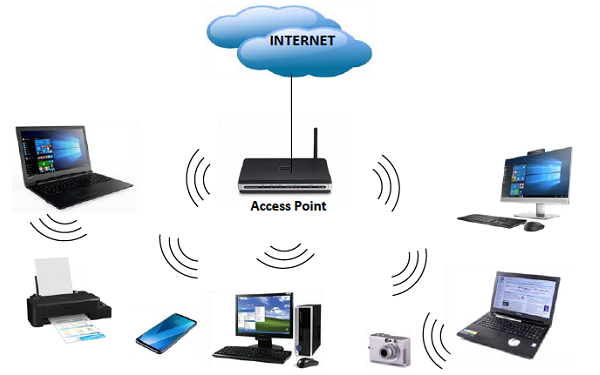
The Rise of Wireless Technology: Transforming How We Connect
The advent of wireless technology has revolutionized the way we connect with one another, paving the way for a more interconnected world. Gone are the days when elaborate wiring and cumbersome setups were required to access information or communicate with others. Today, devices such as smartphones, tablets, and laptops rely heavily on wireless networks, offering unparalleled convenience and mobility. This shift has not only transformed personal communication but has also redefined business operations, allowing for real-time collaboration regardless of geographical barriers.
As wireless technology continues to evolve, we are witnessing a surge in innovative solutions that further enhance connectivity. From the implementation of 5G networks to the expansion of the Internet of Things (IoT), the potential applications are vast and varied. The ability to connect devices seamlessly leads to improved productivity and efficiencies in everyday tasks. For instance, smart homes and smart cities are becoming increasingly common, showcasing how integrated wireless technology is becoming an essential aspect of modern life.
Counter-Strike is a series of tactical first-person shooter video games that has gained immense popularity since its inception. Players engage in team-based matches where they must complete objectives or eliminate the opposing team. For those looking to enhance their gaming experience, check out the Top 10 Samsung Galaxy S Accessories that can help improve gameplay and connectivity.
Exploring the Benefits of Smart Wireless Devices in Daily Life
Smart wireless devices have revolutionized the way we interact with our environment, enhancing our daily routines in remarkable ways. From smart speakers that play our favorite music to wearable fitness trackers that monitor our health, these devices offer unparalleled convenience and functionality. By integrating seamlessly into our lives, they not only save us time but also provide valuable data that can improve our decision-making. For instance, smart thermostats can adjust heating based on our habits, leading to both enhanced comfort and energy savings.
In addition to convenience, smart wireless devices contribute to increased safety and security. Devices such as smart cameras and doorbell systems offer real-time monitoring of our homes, providing peace of mind whether we are at home or away. Moreover, features like voice-activated controls and automation can aid those with mobility challenges, allowing them to manage their living space independently and effectively. Overall, the incorporation of these devices into our lives not only streamlines daily tasks but also fosters a more secure and connected environment.
Are Wireless Solutions the Future of Home Automation?
As technology continues to evolve, wireless solutions are emerging as a crucial component in the realm of home automation. These innovative systems allow homeowners to control various devices, from lighting and security systems to heating and cooling, all from the convenience of their smartphones or tablets. A major advantage of wireless home automation is its ease of installation; without the need for complex wiring, homeowners can integrate new devices with minimal disruption and cost. Additionally, wireless solutions offer unparalleled flexibility, enabling users to customize their home environments seamlessly at any time.
Furthermore, the benefits of wireless solutions extend beyond mere convenience. With regular software updates and cloud connectivity, these systems can continually improve functionality and security. As more smart home devices adopt standardized protocols like Zigbee and Z-Wave, the potential for interoperability among products increases, making wireless home automation systems even more appealing. In conclusion, it's clear that wireless solutions are not just a trend; they represent a transformative shift in how we interact with our living spaces, potentially shaping the future of home automation.