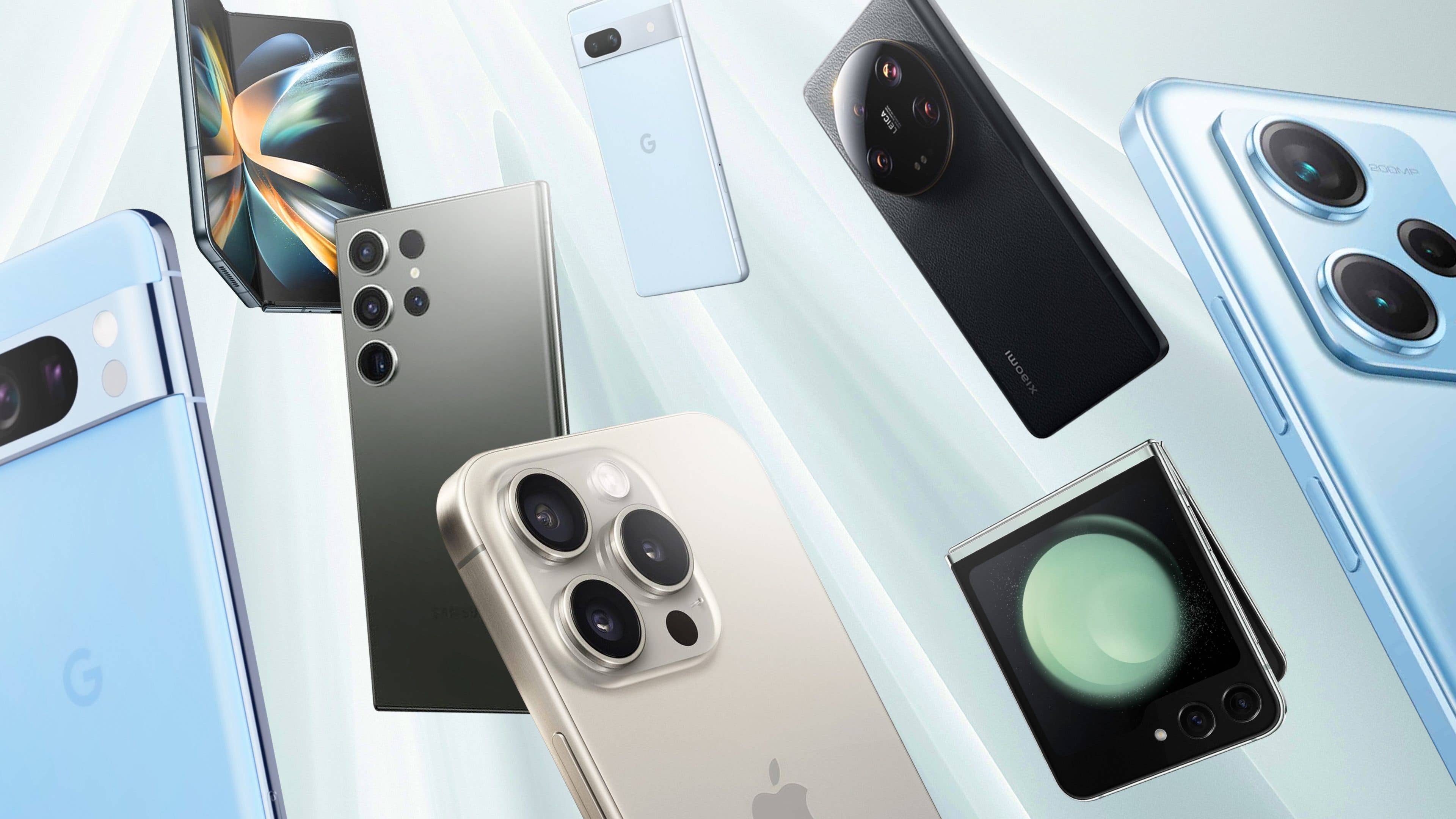
How Smartphones are Revolutionizing Communication: More than Just Texts and Calls
The advent of smartphones has significantly transformed communication, making it much more than just texts and calls. With features like instant messaging apps, video calls, and social media platforms, smartphones have broadened the scope of communication, allowing users to connect in diverse ways. For instance, platforms such as WhatsApp and Facebook Messenger enable real-time interactions through multimedia sharing, whether it's photos, videos, or voice notes. This immediacy has also fostered a global conversation, shrinking distances and allowing people from different parts of the world to engage effortlessly.
Moreover, smartphones have introduced innovative tools that enhance our communication experience beyond traditional methods. Take, for example, video conferencing applications like Zoom and Microsoft Teams, which have become vital in both personal and professional spheres. These platforms not only facilitate face-to-face interactions remotely but also support collaboration through shared documents and screens. As a result, communication is evolving towards a more integrated and multifaceted approach, where the emphasis is on creating an interactive dialogue rather than merely exchanging information through texts or short calls.
Counter-Strike is a highly popular team-based first-person shooter game that has been a staple in the gaming community since its initial release. Players engage in tactical gameplay, often taking on the roles of terrorists or counter-terrorists, in various maps and game modes. The game also has a rich competitive scene that attracts players from all over the world, showcasing skills and strategies.
For mobile gamers looking to protect their new devices, here are some Top 10 iPhone 16e cases that combine style and functionality.
The Impact of Smartphone Apps on Daily Routines: From Fitness Tracking to Meal Planning
The advent of smartphone apps has revolutionized daily routines, seamlessly integrating technology into our lives. From fitness tracking to meal planning, these applications play a crucial role in helping individuals manage their schedules efficiently. For instance, fitness tracking apps like Strava and MyFitnessPal allow users to monitor their physical activity, set personal goals, and even connect with friends for motivation. This capability not only promotes a healthier lifestyle but also instills a sense of accountability, as users are able to visualize their progress over time through detailed analytics and reports.
Moreover, meal planning apps such as Mealime and Yummly simplify the process of grocery shopping and meal preparation. These apps provide users with easy-to-follow recipes tailored to their dietary preferences and help streamline the weekly meal prep through organized shopping lists. By categorizing meals and offering suggestions based on available ingredients, smartphone apps significantly reduce time spent in the kitchen, enabling users to focus on other important aspects of their lives. As a result, the integration of these apps into daily routines not only enhances productivity but also promotes a balanced and organized lifestyle.
Are Smartphones Enhancing or Hindering Our Productivity? A Deep Dive into Daily Life
The debate surrounding whether smartphones are enhancing or hindering our productivity is more relevant than ever. On one hand, smartphones provide us with unparalleled access to information and tools that can streamline our daily tasks. With applications for project management, calendars, and communication at our fingertips, smartphones allow for unprecedented flexibility in how we work. For instance, using productivity apps, we can easily create to-do lists, set reminders, and even collaborate with colleagues in real-time. This kind of accessibility can empower individuals to be more efficient and organized, thus enhancing overall productivity.
Conversely, the constant connectivity provided by smartphones can lead to distractions that severely undermine our ability to focus. Social media, notifications, and an endless supply of information can pull our attention away from important tasks, leading to decreased efficiency. A recent study found that people check their phones up to 150 times a day, which contributes to fragmented work patterns and reduced concentration. As advocates emphasize balance, it’s important to recognize that while smartphones can enhance productivity, they can also hinder it when not managed judiciously. Reflecting on our daily habits might reveal a need for boundaries to truly harness the benefits of technology.