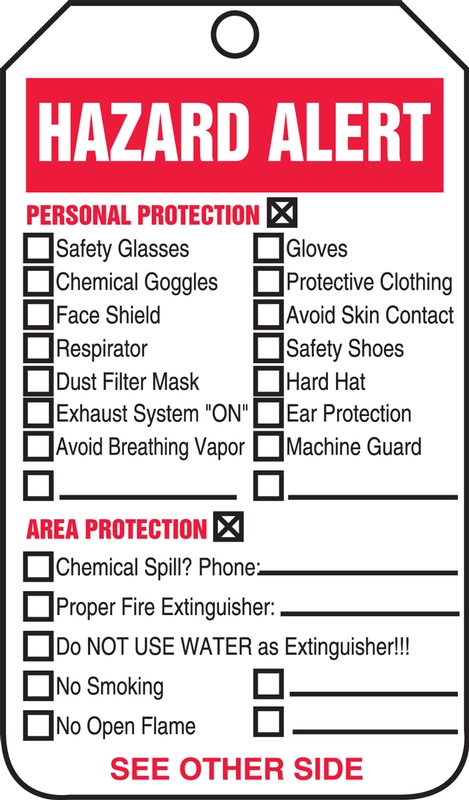
Understanding Safety Tags: Their Role in Preventing Workplace Accidents
Understanding safety tags is crucial for maintaining a secure workplace environment. These tags serve as vital communication tools that alert workers to potential hazards, ensuring they are aware of risks before engaging in any tasks. For instance, color-coded tags can universally indicate the level of danger associated with specific equipment or areas, helping to streamline safety protocols. By implementing a systematic approach to safety tagging, organizations can significantly reduce the likelihood of accidents and injuries.
Moreover, safety tags also play an essential role in compliance with workplace regulations. Regularly utilizing and updating these tags assists in keeping workplaces aligned with safety standards set by governing bodies. This practice not only protects employees but also safeguards the organization from legal liabilities. Investing in proper safety tag systems is, therefore, not just a legal requirement, but a vital step towards fostering a culture of safety and precaution in the workplace.
Counter-Strike is a highly popular first-person shooter game that focuses on team-based tactics and strategic gameplay. Players can choose between two teams: the terrorists and the counter-terrorists, each with specific objectives. The game has a significant presence in the esports community and is known for its competitive scene, where teams battle it out for glory and prizes. For those looking to enhance their running experience, check out the Top 10 Apple Watch Accessories for Runners.
10 Essential Types of Safety Tags Every Workplace Should Implement
Ensuring a safe workplace is paramount for any organization, and one effective method of enhancing safety is through the use of safety tags. These tags serve as visual reminders to employees about potential hazards and proper safety practices. Here are 10 essential types of safety tags that every workplace should consider implementing:
- Danger Tags: Use these to warn of immediate hazards that could result in serious injury or death.
- Warning Tags: Indicate possible hazards that could lead to injury or damage if not addressed.
- Notice Tags: Communicate important information regarding safety policies and procedures.
- Emergency Information Tags: Clearly state emergency procedures for fire, medical needs, and evacuation.
- Lockout/Tagout Tags: Essential for equipment maintenance, these tags ensure machinery is properly shut down and not operational while repairs are being made.
- Personal Protective Equipment (PPE) Tags: Remind employees to wear necessary safety gear in designated areas.
- First Aid Tags: Indicate the location of first aid kits and the protocol for reporting accidents or injuries.
- Biohazard Tags: Clearly define areas that could be contaminated with biological hazards.
- Radiation Tags: Warn of potential radiation exposure in specific locations.
- General Safety Tags: For miscellaneous safety instructions that don’t fall under other categories.
Are Safety Tags Really Effective? Debunking Common Myths
When it comes to safety tags, there are numerous myths that cloud their effectiveness. One common misconception is that safety tags are merely decorative and serve no real purpose. In reality, safety tags are crucial for identifying hazardous materials, equipment, or situations. They provide clear communication about risks and necessary precautions, ultimately helping to prevent accidents and ensure workplace safety. For example, tags that indicate 'Do Not Operate' can save lives by informing workers of potential dangers.
Another myth is that safety tags are only necessary in high-risk industries, leading to the belief that compliance is optional in lower-risk environments. However, safety is a priority in all settings. Regardless of the industry, safety tags can help maintain awareness and compliance with safety standards. When used effectively, these tags not only help in meeting legal requirements but also foster a culture of safety, where every employee feels responsible for their own safety and that of their peers.