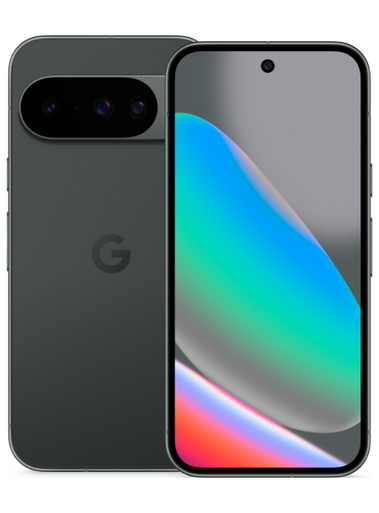
The Evolution of Communication: From Landlines to Smartphones
The journey of communication technology has been nothing short of revolutionary, spanning from the early days of landlines to the modern marvel of smartphones. In the mid-20th century, landline phones became the primary means of communication, connecting people across vast distances through a series of wires and circuits. This technology allowed for the first time instant voice interactions, fundamentally changing how people interacted. However, the advent of mobile technology in the late 20th century marked a pivotal moment. The introduction of cell phones in the 1980s began a gradual shift that would eventually lead to the integration of the internet, paving the way for the smartphones we rely on today.
As we transitioned into the 21st century, smartphones emerged as the dominant form of communication device, blending voice, text, and internet capabilities into a single, handheld gadget. Smartphones now allow users to connect not just through voice calls and SMS but also through a multitude of apps, social media, and instant messaging platforms. This evolution has transformed not only our communication styles but also our social interactions and business practices. The rise of smartphones has created a culture of immediacy, where responses are expected at the click of a button, demonstrating just how far we have come from the days of landlines and providing a glimpse into the future of communication technology.
Counter-Strike is a highly popular first-person shooter game that emphasizes teamwork and strategy. Players can choose between two opposing teams, terrorists and counter-terrorists, as they battle in various objective-based modes. For players looking to protect their new devices, it's important to consider the Top 10 iPhone 17 cases to ensure their phones stay safe during intense gaming sessions.
5 Ways Mobile Phones Revolutionized Human Interaction
The advent of mobile phones has fundamentally transformed how we communicate and interact with each other. Mobile phones enable us to connect with friends and family instantly, regardless of the distance separating us. This immediate access to communication has fostered a sense of closeness and community, making it easier to maintain relationships. Moreover, social media platforms available on mobile devices allow users to share their experiences in real time, further blurring the lines between virtual and physical interactions.
Another significant way mobile phones have revolutionized human interaction is through the proliferation of messaging apps. Unlike traditional communication, these platforms offer features like video calling and group chats, allowing for richer, more engaging conversations. Furthermore, the convenience of texting and instant messaging ensures that we can reach out to others at any time, making it easier to coordinate plans and share information quickly. The result is a profound shift in our communication habits, demonstrating that the power of mobile phones extends far beyond mere voice calls.
Are Phones the New Universal Language?
In today's interconnected world, phones have transcended their original purpose of mere communication, evolving into powerful tools that connect individuals across different languages and cultures. They facilitate instant access to information, breaking down barriers and enabling people to interact in unprecedented ways. With the rise of social media platforms and messaging apps, phones serve as conduits for a new form of universal language that emphasizes emojis, GIFs, and multimedia content, which often convey emotions and ideas more effectively than words alone.
Moreover, the accessibility of translation apps on phones enhances our ability to communicate globally. Whether through a simple text, a voice command, or video calls, these devices empower users to engage in conversations with individuals who speak different languages. As a result, phones are not just devices for personal use; they have become essential tools that promote understanding and collaboration in a diverse world, truly making them the new universal language.