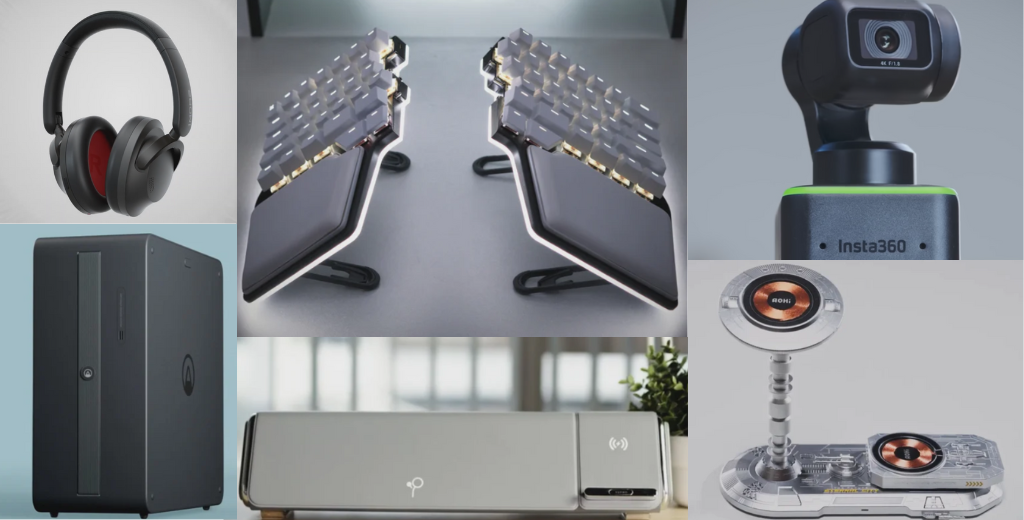
The 10 Must-Have Gadgets That Will Make You Rethink Your Priorities
In today's fast-paced world, we often find ourselves overwhelmed by distractions and our daily routines. However, the right gadgets can help streamline our lives and make us rethink our priorities. From smart home devices to productivity-enhancing tools, here are the 10 must-have gadgets that can transform your approach to everyday tasks. First, consider the smart speaker; not only can it play your favorite tunes, but it can also manage your calendar and control other smart devices in your home, allowing you to focus on what truly matters.
Another fantastic gadget is the fitness tracker. It serves as a constant reminder to prioritize your health and well-being amidst a busy lifestyle. Beyond these, the noise-canceling headphones can help create a quiet environment, enabling you to concentrate better and minimize distractions. Productivity apps that sync with your gadgets can also help you stay on track with your goals, ensuring your priorities align with your actions. Embracing these innovations can lead to a more organized and fulfilling life.
Counter-Strike is a highly popular first-person shooter game that has captivated millions of players around the world. It involves two teams, terrorists and counter-terrorists, competing in various objective-based game modes. Players often seek strategies and gear to enhance their gaming experience, just as travelers look for the Top 10 iphone travel accessories to ensure their journeys are smooth and enjoyable.
Are These Futuristic Gadgets Worth the Hype or a Regret Waiting to Happen?
In recent years, the tech industry has been flooded with futuristic gadgets promising to revolutionize our daily lives. From smart home devices to wearable technology, these innovations often come with a hefty price tag, leading consumers to wonder if they are worth the hype. Many of these gadgets claim to enhance efficiency and convenience, but do they truly deliver? For instance, while smart speakers can control various aspects of your home with just your voice, some people find that they rarely use them beyond simple tasks like playing music or checking the weather. This begs the question: are we purchasing these devices for their usability or simply because they seem trendy?
On the flip side, there are also numerous futuristic gadgets that have been nothing short of game-changers, worth every penny for their users. Innovations like high-quality wireless earbuds and fitness trackers can genuinely improve your lifestyle, providing seamless connectivity and valuable health insights. However, it’s essential to weigh the pros and cons before making a purchase. As technology evolves rapidly, consumers must ask themselves: will this gadget enhance my life or end up as a regret waiting to happen? By considering reviews, user experiences, and practical implications, you can make an informed decision and potentially avoid buyer's remorse.
How Cutting-Edge Tech Can Challenge Your Perception of Necessity
In our rapidly evolving digital landscape, cutting-edge technology is not just enhancing our daily lives; it is actively reshaping our perception of what is truly necessary. Many of us rely on smartphones, smart home devices, and wearable technology without considering the extent to which these innovations influence our basic needs. For instance, the advent of virtual assistants like Siri and Alexa has made it possible to automate mundane tasks, leading us to question if we still need to perform even the simplest actions ourselves. This paradigm shift challenges traditional notions of necessity, as we increasingly lean on technology to streamline our routines.
Furthermore, advancements in artificial intelligence and machine learning are pushing the boundaries of what we consider indispensable. Imagine a world where cooking, cleaning, and even decision-making are handled by sophisticated algorithms. This reality raises crucial questions about human agency and dependence. As we witness the rise of AI-driven recommendations in e-commerce and personalized content curation, we must ponder: Are these conveniences making our lives easier, or are they creating an illusion of necessity that diminishes our critical thinking capabilities? We have to navigate this delicate balance between embracing technological innovations and retaining our autonomy.