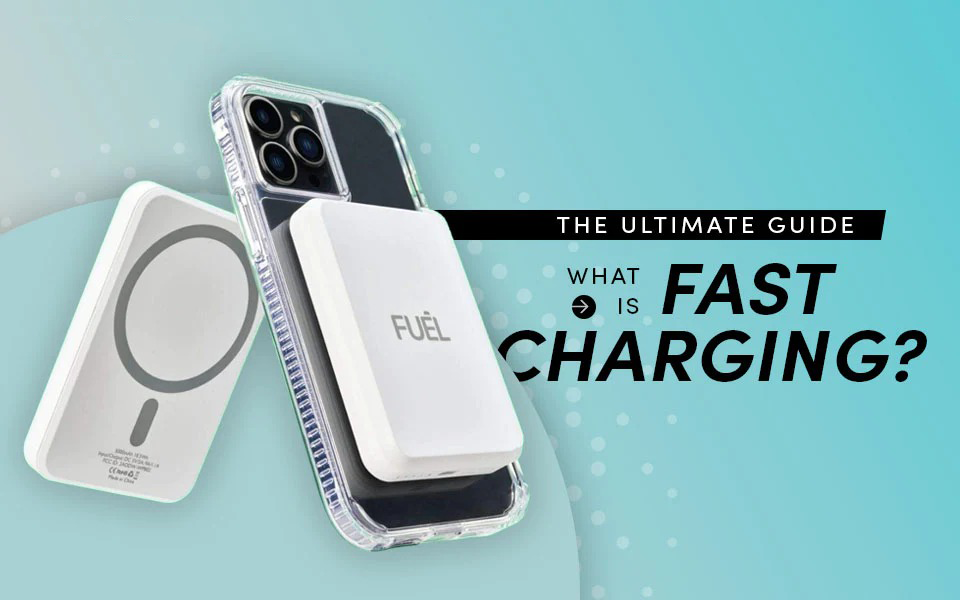
Understanding Fast Charging Technologies: How They Work and Why They're Crucial
Fast charging technologies have revolutionized the way we power our devices, significantly reducing the time spent tethered to a wall outlet. At its core, fast charging works by increasing the amount of current delivered to the battery, allowing it to charge at a much quicker rate than conventional charging methods. These technologies, such as Qualcomm's Quick Charge and USB Power Delivery, utilize advanced communication protocols between the charger and the device to optimize voltage and amperage for varying battery conditions. For instance, during the initial stages of charging, a higher current can be applied, while the voltage is adjusted for the battery's safety during the later stages to avoid overheating and ensure longevity.
Understanding why fast charging is crucial can be highlighted through several key benefits:
- Time Efficiency: In our fast-paced world, being able to charge a device rapidly can be a game changer, especially for those who are always on-the-go.
- Extended Device Usability: Fast charging allows users to quickly recharge before heading out, ensuring that they can rely on their devices without prolonged downtime.
- Support for High-Power Applications: As technology advances, our devices demand more power, and fast charging is essential for high-performance gadgets like smartphones, laptops, and electric vehicles.
Counter Strike is a popular first-person shooter game that has captivated millions of players around the world. It emphasizes teamwork and strategy, often pitting two teams against each other in various objectives. If you're looking for the Top 10 magsafe chargers, be sure to check out some of the best options available to enhance your gaming setup.
The Impacts of Fast Charging on Battery Longevity: Myths vs. Facts
Fast charging technology has revolutionized the way we use our devices, providing a significant advantage in convenience and efficiency. However, many consumers are left wondering about the impacts of fast charging on battery longevity. One common myth is that fast charging inherently damages batteries. In reality, while it is true that charging a battery quickly generates more heat, modern smartphones and electric vehicles are equipped with sophisticated battery management systems designed to mitigate these risks. These systems monitor temperature and adjust the charging speed accordingly, ensuring that batteries are charged safely without compromising their lifespan.
Moreover, another misconception is that using a fast charger will immediately degrade the battery’s capacity over time. Facts suggest otherwise. Several studies show that, when used correctly, fast charging may have a minimal long-term impact on battery health, particularly in devices with advanced thermal management. It's crucial to note that factors like environmental temperature, charging cycles, and discharge rates play a far more significant role in determining battery longevity than merely the speed of charging. As technology continues to develop, understanding these nuances can help users maximize their battery's life while enjoying the benefits of fast charging.
Is Your Device Compatible with Fast Charging? A Comprehensive Guide
If you're wondering, is your device compatible with fast charging? You're not alone. With the rise of fast charging technology, many consumers are curious whether their smartphones, tablets, and other devices can take advantage of this feature. Fast charging allows users to power up their devices much quicker than traditional charging methods. To determine compatibility, start by checking the specifications of your device; manufacturers typically list whether fast charging is supported. Additionally, the type of charging port—be it USB-C or Micro USB—plays a crucial role in this compatibility.
Next, consider the charger and cable you are using; they must also support fast charging for the technology to work effectively. Fast charging standards can vary between manufacturers, which might lead to confusion. For instance, Qualcomm Quick Charge, USB Power Delivery (USB-PD), and Samsung's Adaptive Fast Charging are a few popular versions. If your charger does not meet the required specifications or if you are using an outdated cable, even a compatible device will not benefit from fast charging capabilities. By ensuring that both your device and accessories support fast charging standards, you can enjoy the convenience of reduced charging times.